Web and SaaS October 5, 2026
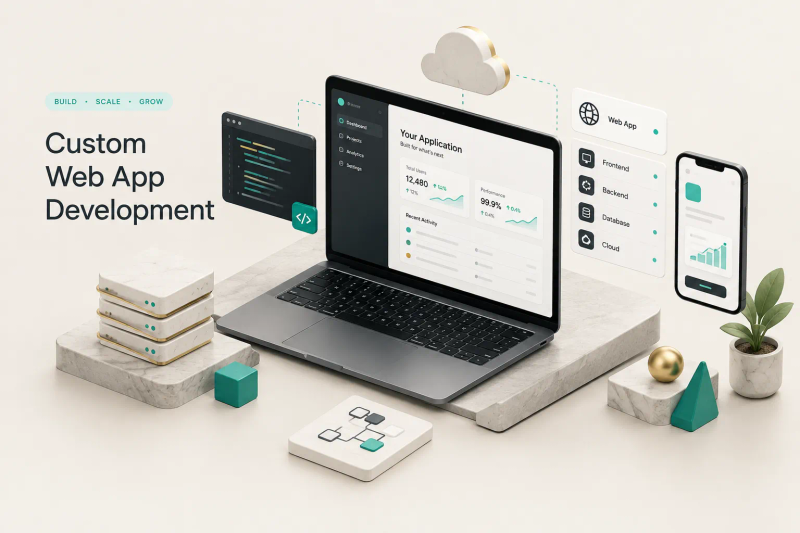
Should Your Business Build a Custom Web App?
A no-pitch framework for choosing between a website, web app, or SaaS before you spend a dollar. Includes the warning signs most businesses miss.
Read articleGuides on app development, AI, and shipping software that grows your business.
A no-pitch framework for choosing between a website, web app, or SaaS before you spend a dollar. Includes the warning signs most businesses miss.
Read article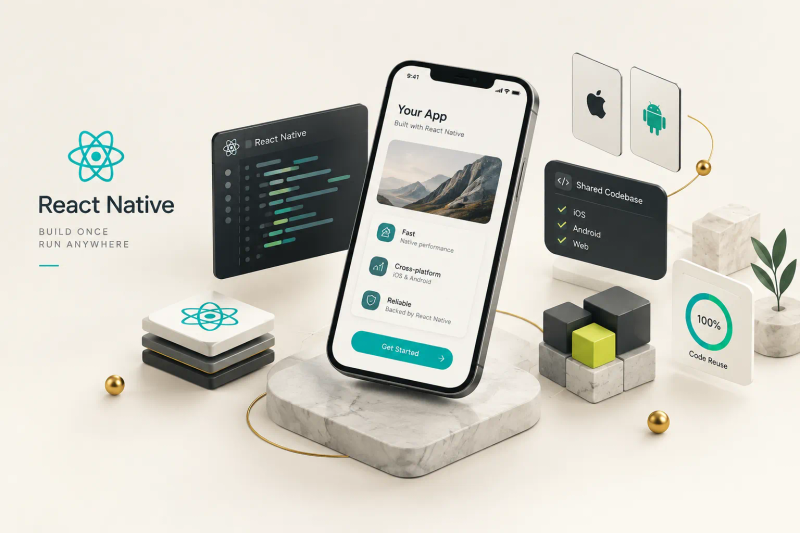
What React Native really costs, shares, and needs native code for. Real answers for founders before you hire a dev team in 2026.
Read article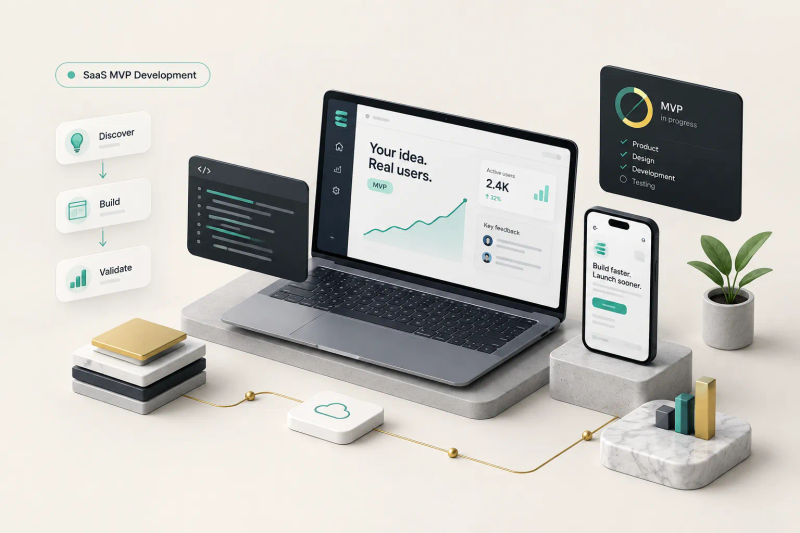
Skip the fake MVPs. Learn the 2026 playbook for billing, onboarding, and tenant-safe data that turn demos into real paying SaaS products.
Read article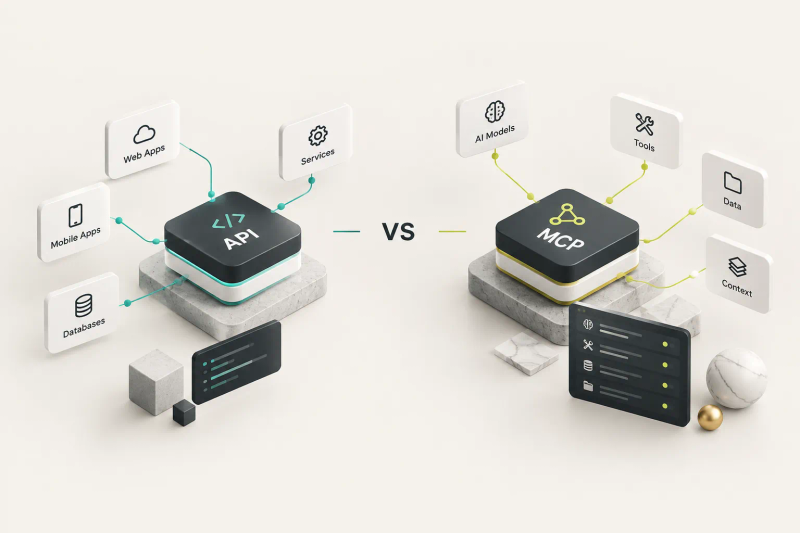
MCP doesn't replace APIs, it wraps them. See the control, latency, and cost tradeoffs before you build your 2026 AI feature. One factor decides it.
Read article
How to vet a cross platform app development company: costs, timelines, Flutter vs React Native, and red flags before you sign anything.
Read article
A founder's real verdict, not a feature list. Which wins on launch speed, hiring, and year-two costs in 2026? One clear answer inside.
Read article
Flutter vs React Native compared on speed, cost, and hiring for 2026. See which framework fits your app, and when it doesn't matter at all.
Read article
What separates a real FlutterFlow developer from a template assembler? Data modeling, security rules, and a workflow that survives launch. Here's the honest bre
Read article
Avoid costly compliance mistakes. Learn HIPAA rules, FHIR standards, and MVP scoping before you build your healthcare app. Skip the rework.
Read articleWe publish what we learn shipping products, not recycled advice. Every guide comes out of real client work: the decisions, the trade-offs, and the numbers behind them. Expect concrete figures over vague ranges, honest trade-offs over sales pitches, and checklists you can act on the same day. These are the areas we cover.
What an app actually costs, broken down per feature so you can build a realistic spreadsheet before you talk to a single vendor. Covers the platform trade-offs that move the total, and the running costs that most quotes quietly leave out.
Getting through review and finding an audience once you are live. Developer account setup, store readiness, policy compliance, and the monetization models that still hold up six months after launch rather than just on day one.
Shipping is the start, not the finish line. Release cadence, OS version churn, and the maintenance work that decides whether an app is still worth opening two years in. The unglamorous part that quietly protects the investment.
What the roles actually mean, what good work looks like, and how to tell a solid technical partner from an expensive one. Useful whether you are hiring in house, briefing a freelancer, or choosing a studio to build the whole thing.